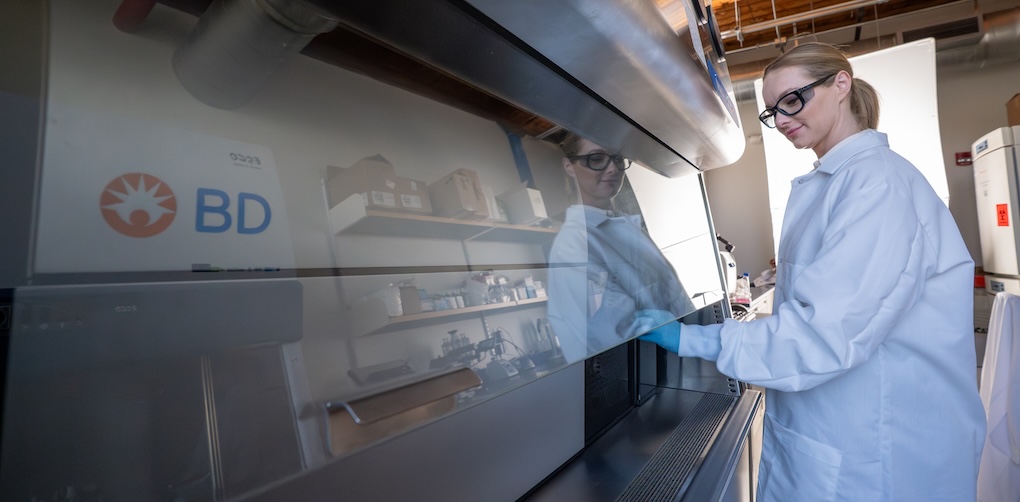
Fluorescence-Activated Cell Sorting (FACS) services
We build each Fluorescence-Activated cell sorting (FACS) services engagement around context. The right plan depends on what has already been learned, what remains uncertain, which inputs are ready, and how the results will influence the next decision. Our team brings those factors together early so the work has a clear purpose, an agreed path, and deliverables matched to your program.
Our Fluorescence-Activated cell sorting (FACS) services capabilities
Our team provides Fluorescence-Activated cell sorting (FACS) services with a scope matched to the program question and the inputs available. We focus the work on generating a clear, reviewable body of evidence and an organized handoff for the next decision. The exact activities are agreed during scoping so the engagement reflects the scientific context rather than a fixed package. This work sits within our Laboratory Services capabilities and is coordinated with the wider program context when the scope requires it.
- Isolate distinct cell populations concurrently with exceptional purity
- Analyze and sort based on multiple cell surface markers or intracellular markers
- Generate clonal cell lines with single-cell sorting into plates
- Access gene expression data from challenging tissue samples
- Obtain high-quality nuclei preparations for more detailed analysis
- Comprehensive solutions for cell culture, functional assays, and molecular profiling
How we shape the scope
Our planning process connects scientific intent with day-to-day execution. We define the question to be answered, map available inputs to the proposed work, identify review gates, and agree on deliverable formats. We also establish how exceptions, missing information, and unexpected findings will be escalated. This gives your team visibility into the work while allowing our specialists to apply sound judgment as the project develops.
Working with our team
Collaboration is structured around useful decisions rather than routine status reporting. We share what has been completed, what the evidence currently indicates, which questions remain open, and where sponsor input is needed. Reviews can be adjusted to the pace and complexity of the project. This approach keeps the right people involved at the right time and reduces avoidable rework caused by late assumptions or unclear handoffs.
Deliverables built for the next decision
A deliverable is only useful if its structure matches the decision it supports. We therefore align early on content, format, traceability, and the expected level of interpretation. The completed package reflects the activities actually performed and separates results from recommendations where that distinction matters. We walk the team through key findings and open items, making it easier to carry the work into the next experiment, study activity, development stage, or internal governance review.
Before execution, we also confirm how the work will connect with adjacent activities and which handoffs could affect quality, timing, or interpretation. That check helps us identify missing inputs early, avoid duplicated effort, and keep the completed package consistent with the program's immediate priorities. We record the decisions made during this alignment so the project team has a stable reference as work progresses.
Planning your Fluorescence-Activated cell sorting (FACS) services project
When you are ready to discuss Fluorescence-Activated cell sorting (FACS) services, bring the objective, development context, available inputs, timing needs, and any fixed technical or quality requirements. Our team will translate those details into a proposed scope with clear responsibilities, review gates, deliverables, assumptions, and dependencies so both sides can assess fit before the work begins.