
Explore
Search CRO profiles and published service listings independently.
Type at least 2 characters to search.
View all results →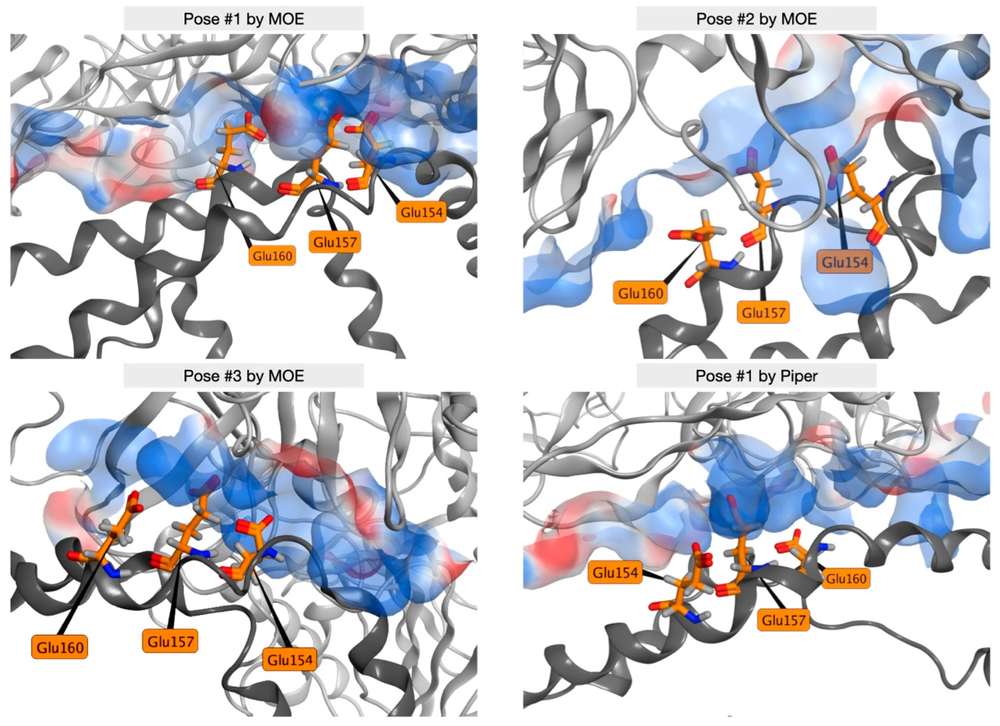
Our Protein-Protein docking service work starts with the decision your program needs to make. We align on objectives, starting inputs, relevant constraints, and the standard a useful result must meet before we recommend a path forward. By shaping the engagement around those points, we keep technical activity, communication, and deliverables focused on what your team will actually use next.
Protein-protein interactions (PPIs) govern virtually every biological process, from signal transduction and immune recognition to enzymatic regulation and multi-protein complex assembly. Understanding how two proteins associate at the structural level is essential for mechanistic studies, antibody design, protein engineering, and therapeutic target validation. However, experimental determination of complex structures by X-ray crystallography, cryo-EM, or NMR remains time-consuming and resource-intensive. CD ComputaBio's Protein-Protein Docking Service provides a robust and scientifically rigorous computational solution to predict biologically relevant protein complex structures with high confidence. By integrating advanced conformational sampling, multi-criteria scoring, structural refinement, and interface hotspot analysis, we deliver ranked docking models that are not only structurally plausible but also experimentally actionable. This work sits within our Laboratory Services capabilities and is coordinated with the wider program context when the scope requires it.
A strong scope makes the work easier to execute and easier to evaluate. We document the core question, required inputs, proposed activities, review points, and expected outputs, then connect each element to a program need. Where multiple approaches could be reasonable, we explain the tradeoffs and agree how the choice will be made. That discipline helps protect timelines while giving the technical team room to respond to the evidence.
Collaboration is structured around useful decisions rather than routine status reporting. We share what has been completed, what the evidence currently indicates, which questions remain open, and where sponsor input is needed. Reviews can be adjusted to the pace and complexity of the project. This approach keeps the right people involved at the right time and reduces avoidable rework caused by late assumptions or unclear handoffs.
A deliverable is only useful if its structure matches the decision it supports. We therefore align early on content, format, traceability, and the expected level of interpretation. The completed package reflects the activities actually performed and separates results from recommendations where that distinction matters. We walk the team through key findings and open items, making it easier to carry the work into the next experiment, study activity, development stage, or internal governance review.
Before execution, we also confirm how the work will connect with adjacent activities and which handoffs could affect quality, timing, or interpretation. That check helps us identify missing inputs early, avoid duplicated effort, and keep the completed package consistent with the program's immediate priorities. We record the decisions made during this alignment so the project team has a stable reference as work progresses.
When you are ready to discuss Protein-Protein docking service, bring the objective, development context, available inputs, timing needs, and any fixed technical or quality requirements. Our team will translate those details into a proposed scope with clear responsibilities, review gates, deliverables, assumptions, and dependencies so both sides can assess fit before the work begins.
ONE PLATFORM. THREE WAYS TO MOVE FORWARD.
CROaccess helps life science teams move from an open-ended search to a confident partner decision. Choose the level of support that fits your program and your team.
Search CRO profiles and published service listings independently.
Describe your program and receive recommendations aligned with services, stage, and location.
Get hands-on support through outreach, comparison, proposal review, and CRO selection.